Egypt by another name
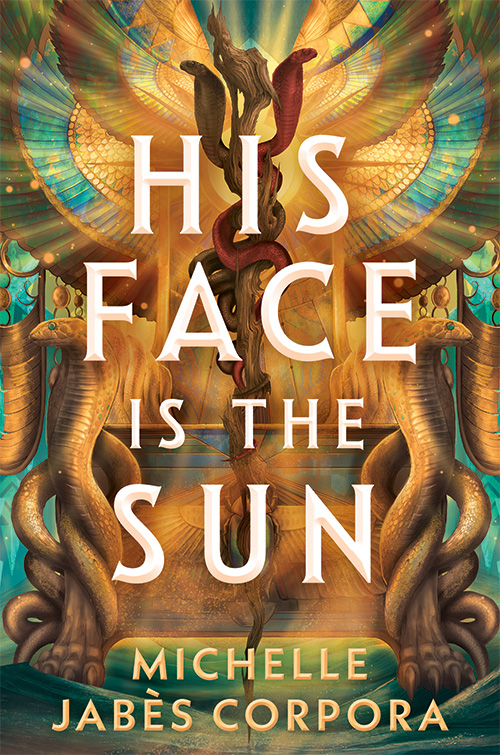
I picked up a Kindle deal for a new YA fantasy a few weeks back, and finally got around to reading it. The book is His Face is the Sun (Throne of Khetara #1), by Michelle Jabès Corpora, and it’s being billed as something that the readers of several other teen fantasy writers (Bardugo, Mafi, Tahir) would enjoy. And although I believe that is true, I’m not sure they should have focused it so relentlessly at the Young Adult market. In fact, I often feel that way when it comes to fantasy and science fiction.
In other genres (realistic stories, romance, coming of age), the audience can be clearly demarcated as teens, ages 13-18 or whatever—many adults aren’t interested in teen angst-ridden 15-yo first love stories. But with fantasy, if the world-building is thorough and convincing and the protagonists are engaging, I often feel these books are done a disservice not to be marketed widely. This one, for instance, ended up pretty quickly in the bargain Kindle bin (I think I paid $1.99), and it shouldn’t have, because it’s a really beguiling read. So adult fantasy lovers, pay attention and check it out, because if you enjoy it, there are two more books to come. (Also, this series is directed at more mature teens, due to some frank content, just fyi.)
The kingdom of Khetara is a faintly disguised Egypt, with some of the same gods under the same names and also under different ones, and similar dynasties of rulers and conquered peoples. It could almost be historical fantasy, but the author chose to create her own stage within the auspices of Egyptian history. There are priests and oracles, there are competitors vying for the pharoah’s throne, there are rebellious mistreated commoners, all set against a background of desert, river, village, palace, and temple, brought to life in beautifully detailed descriptions (that don’t slow the story at all). There is a mythology-based magic system that winds through the entire story in an organic manner and, although there is a little romance, this is primarily an epic fantasy focused on history, politics, magic, and destiny.
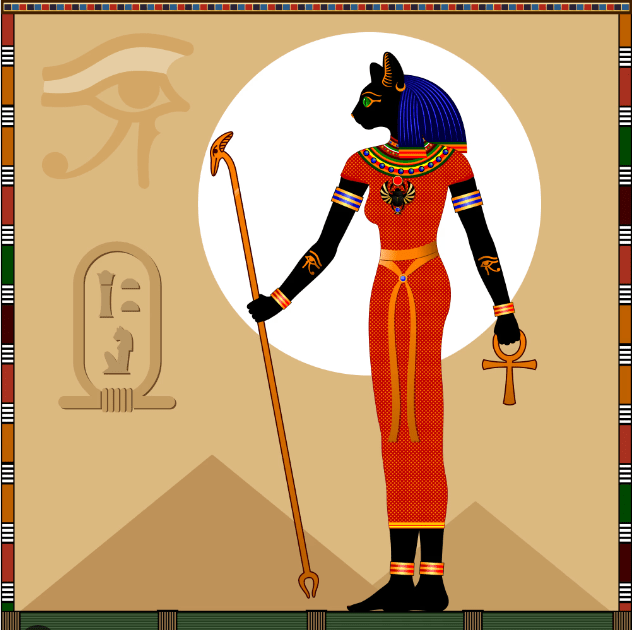
The main characters are four people who couldn’t be more different: Princess Sita, one of the triplets to whom the current Pharoah is father; Nefermaat, a bewildered young village girl who, after a spontaneous vision brought on by the annual parade for the goddess Bastet, has been whisked from her home to the capitol to train as a priestess; Raetawy, leader of a rebel group of farmers oppressed by the pharoah’s punitive taxes; and Karim, a young grave robber who unearths more than he bargained for and sets in motion some of the events envisioned by Neff and anticipated by Sita’s brother Mery, who is determined to rule Khetara sooner rather than later.
Although four protagonists is a lot, Corpora does a wonderful job of developing each of them with clear personalities and motives, and separates their subplots (politics, magic, rebellion, and fortune-seeking) while intersecting them at the appropriate moments to keep us intrigued. (Oh, and there’s a delightful fifth narrator—only encountered a few times—who further draws things together.)
I was completely involved in this story from beginning to end and, when I encountered that cliffhanger and realized that this book had just been published in May and I would have to wait at least a year for the next one, was sorry that I had read it so quickly. I will do a reread when the sequel comes out, to catch all the delightful detail that I may have skimmed over while trying to absorb the book as a whole. If you ever thrilled to the stories of adventures down the Nile, hotly contested dynasties and mysterious portents, you will want to read His Face is the Sun.

Discover more from The Book Adept
Subscribe to get the latest posts sent to your email.

 The Book Adept