Starts with “D”
I haven’t been on here for a while because I started reading a trilogy and decided that, since all three books were already published and I could read straight through it, I would wait until I was finished and review the whole thing.
The trilogy is by author Brigid Kemmerer. The books are Defy the Night, Defend the Dawn, and Destroy the Day. I can’t say that I totally get the significance of each book title in context of the overall story, but you have to call them something, right? And alliteration always sticks in the brain…
I first discovered Kemmerer when I noticed her “Elementals” series in the YA stacks at the library, about four brothers with paranormal powers. I wasn’t drawn to those at all, and never read them, but when I read her stand-alone non-fantasy young adult novel Call it What You Want, I was bowled over and immediately followed up with the duology Letters to the Lost and More Than We Can Tell, and then found her other stand-alones.
When she started writing fantasy again, I felt confident to buy these books for my teen readers, but I had a little misgiving, because her first outing in the Cursebreaker series was a retelling of the Beauty and the Beast story. Since I would always prefer an original story to a retold tale, and since B&B is also one of my least favorite fairy tales, I almost regretted it; but I liked her writing enough to give it a chance, and ended up appreciating what she did to make it less sexist and cringeworthy! I never got around to reading any of the sequels, because I concluded that her real strength lies in writing about real teenagers in the throes of their confusing, sometimes difficult lives. But when I noticed this new trilogy and realized she had just finished it, I decided to check it out.
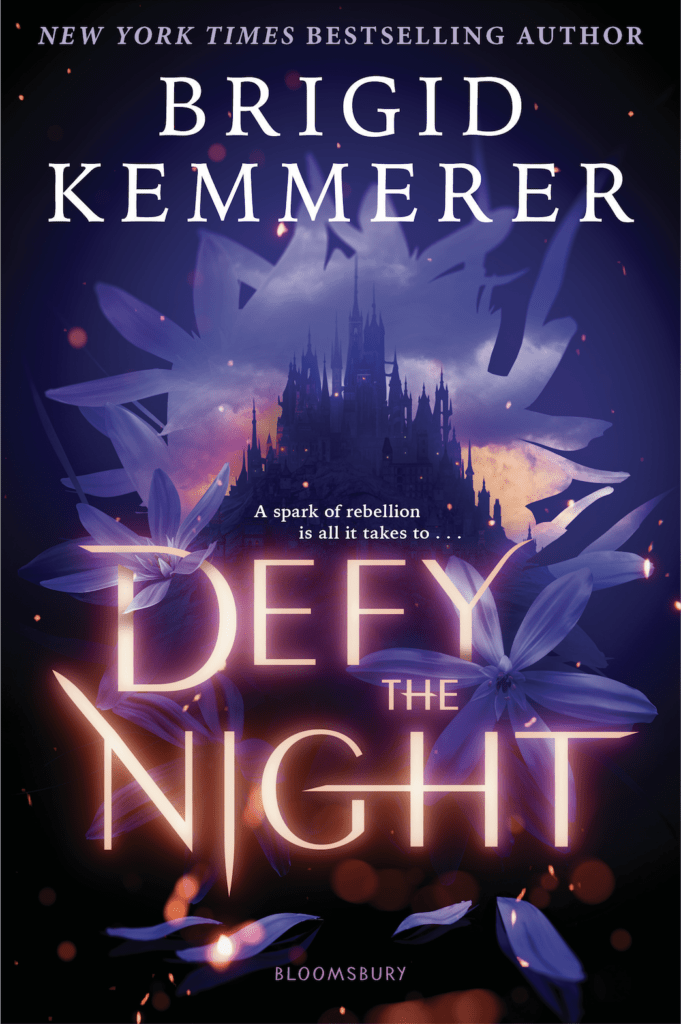

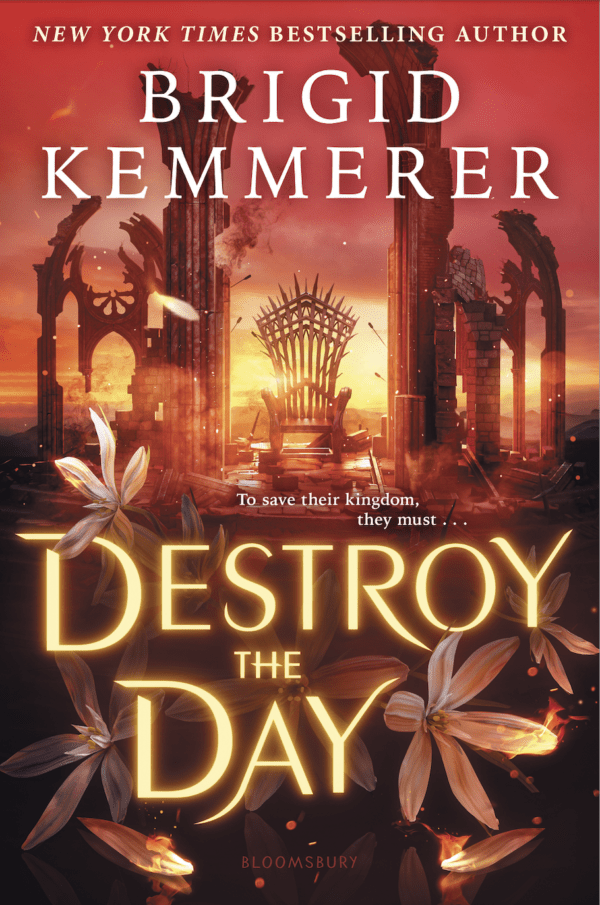
I did enjoy it; but I don’t think it changed my mind about where her true gifts lie, and I’m kind of sorry about that, because it seems she has fully committed to fantasy at this point in her career. Don’t get me wrong: The books are good, with flowing prose, great characters, decent world-building, and an original fantasy story (not a retelling this time). I just like her contemporary teen novels much better.
These are likewise meant for older teens; but that was one of the things I had a little difficulty accepting. The main characters, including the king and his brother the king’s justice (think enforcer) are all supposedly under 20 years old and, given that they have been ruling the kingdom of Kandala with an iron hand since they were 18 and 15, believability was strained. When in the third book the younger brother (Corrick) turns 19, I immediately thought yeah, no way. The story would have been much more realistic had the characters started out in their early 20s, but I guess that would disqualify the books for YA publication?
This trilogy is filled with political intrigue and drama. The basic plot is this: Harristan and Corrick’s parents are assassinated by one of the kingdom’s consuls, and Harristan becomes king of Kandala at the tender age of 17. Shortly after the brothers find themselves thrust into power, a devastating illness begins to spread throughout the kingdom. There is a remedy, a flower that grows in just two of the districts of Karala, each ruled by a consul, but the availability of the elixir made from Moonflowers is limited and the consuls who control its source are holding the kingdom hostage by doling it out selectively and at a high price. There isn’t enough to keep the common people from sickening and dying, and rebellion seems imminent.
Prince Corrick, frustrated by his role as King Harristan’s enforcer of the strict laws against smugglers and illegal traders of the blossoms, sneaks out at night to meet up with commoner Tessa, a young apothecary whose parents died trying to help their neighbors. He masquerades as Weston Lark, a young revolutionary, and the two bring doses of the elixir Tessa brews from the petals they are supposedly stealing from the palace to the folk living in the Wilds, but it’s never enough. Events take a turn that cause Tessa to try to sneak into the palace to confront the king, but her intentions in taking this step are changed when she discovers that nothing is as she expected when it comes to Harristan and his brother.
There are several big twists and surprises starting in the first book and continuing in the other two. In the second, some of the characters respond to an offer of help (and trade) from the neighboring kingdom of Ostriary and agree to go there to research the possibilities, leaving King Harristan to try to fix his dangerously divided kingdom, and the third book wraps all of it up and brings everyone back together. I don’t want to say more than that about any of it, because if you plan to read it you will need to experience it as you go, but it’s sometimes great, mostly good, and also has its occasional dull moments or weird segues like most fantasies do. There are a few things that frustrated me because they either suffered from inadequate explication or remained completely a mystery; but over all, a worthy effort. Kemmerer’s lively and interesting characters are, as always, her strong suit.
Discover more from The Book Adept
Subscribe to get the latest posts sent to your email.

 The Book Adept