A mesmerizing tale
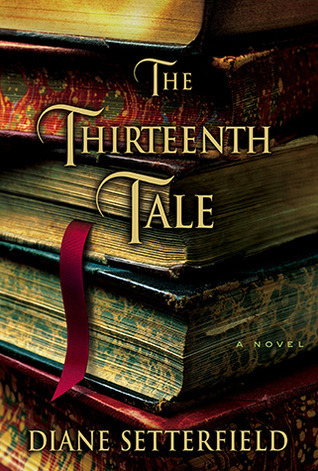
I just finished reading The Thirteenth Tale, by Diane Setterfield. It’s kind of a mystery to me—not the book itself, but my history with it. My Goodreads listings show that i read the book in 2015, and that I gave it a four-star rating. I reference having enjoyed it in reviews of two others of her books, and I just bought it for a friend’s birthday based on that information; but when I started reading it, I had absolutely no memory of the story! That IS the year that I read 152 books (I was a librarian who ran three teen book clubs with a different book to read for each, which accounted for 72 of those—one to discuss, another to propose for next month), so there have been some books that faded from memory based on the rapidity with which I went through them. But this wasn’t like that; it wasn’t even vaguely familiar.
I didn’t remember anything beyond what one could get from reviewing the synopsis: A famously reclusive author decides out of the blue to tell her life story to a minor biographer who has no idea why she was singled out for this task. Over many encounters with the press during her career, prolific and popular author Vida Winter created various life histories for herself, but all had proven to be false—or as she phrased it, “a story.” Now, though, at the end of her life, she has decided to come clean, and has summoned a biographer with some parallels in her own life story to tell Vida’s truth.
When I first started reading I sort of recognized the opening scenario, which was of the biographer’s daily existence working in a used/rare bookstore beside her father. But I have read several books that started out approximately that way and, as the story went along, I struggled to find anything else familiar about it. So, I simply gave in and read it as if it were brand new.
I’m glad that I gifted it to my friend, because that prompted me to read it myself, and not only did I become totally immersed in it, but also believe my friend will like it. (She’s listening on audio, so it may take her longer to finish.) The characters are interestingly bizarre, the storytelling is well paced and carries you along with it, there are various surprising reveals that give the story a twist here and there, and the book is resolved nicely, with enough secrets revealed to be satisfying but without that “tied-up-with-a-bow” feeling that I dislike.
The person who synopsized it for Goodreads concludes the description with these words:
“The Thirteenth Tale is a love letter to reading, a book for the feral reader in all of us, a return to that rich vein of storytelling that our parents loved and that we loved as children.”
This was an astute observation that I can only echo. Several classics figure in the story, including multiple mentions of Jane Eyre, by Charlotte Brontë, which bears some relation to a particular aspect of the story. I read that book maybe 15 times between the ages of 12 and 17, and the way this book is written—with a slightly gothic flare and an acute understanding of human nature—makes me feel the way I did when revisiting Jane. It also features twins, about whom I was obsessed when I was a child (I was an “only,” who fantasized a missing twin who should have been my companion), so that made it even more fascinating.
The book is rich in language and imagery, and Setterfield really knows how to tease out a story. I read her book Bellman & Black a few years ago (based on my “memory” of having enjoyed this book, ironically enough) and disliked it; but this one redeemed my faith in her, as did Once Upon A River. I’m glad to now be able to definitively say that I have read and will remember The Thirteenth Tale!
Discover more from The Book Adept
Subscribe to get the latest posts sent to your email.


