Mad Mabel
I was really looking forward to a new Sally Hepworth novel. Although I have felt lukewarm about a couple of her titles, I liked The Good Sister well enough to read it twice, and so many people raved about this one. But it turned out to be one of those books that I liked more right after I turned the last page than I did on later reflection, and since I left writing this review for a couple of days after finishing, my initial reaction has cooled with a more analytical frame of mind. I ended up feeling a bit disappointed with it. It’s not a bad book, but there are issues, for me, that kept it from a truly high rating.
Hepworth’s books are often promoted as mystery or suspense, but that description seems to me to be misleading and may be the source of some people’s disappointment with this book in particular. It’s true that she writes about people’s interpersonal drama and accentuates key moments that are major turning points, but the creation of the suspense here comes more from the construction of the timeline and its revelations than it does from true tension, and the “big reveals” ultimately fell flat. The whole “Mad Mabel the murderer” notoriety was built on one truth buried by a lot of rumor and supposition that didn’t turn out to be so dramatic as the build-up would indicate, and all the back-and-forthing to get there became tedious.
As for the set-up—the story’s key elements seemed stale to me. The curmudgeonly oldster with the secret soft spot for [fill in the blank] feels so overdone. I mean, stop to name a few others in this vein: A. J. Fikry. That guy called Ove. Even Vera Wong qualifies. The Elegance of the Hedgehog is a quintessential story about a cranky old person and a young child crafting an unlikely friendship, but there are also Arthur Trulov and Maddie, Frank and Red, and Joseph and Mrs. F. And yeah, Ove again. Even the bit about the old person supposedly disliking animals but adopting one nonetheless when no one else wants it (and then secretly falling for it) has become a cliché.
Finally, some of the character-building felt decidedly lacking. I mean, the evil villains—that’s how they were painted, but the explanations were surface or nonexistent, they just were. The police officers were caricatures. Some of the neighborhood people who were supposedly instrumental remained cardboard cutouts until so late in the story that I didn’t care any longer. There just didn’t seem to be enough justification for some of the interactions in this story. The best character for me was the child, Persephone, who was written with all the ebullience and spontaneity of a real seven-year-old and maintained her fresh appeal throughout.
Maybe the fault lies not with the book but with this cantankerous reader. I gave it four stars out of five when I finished it, then downgraded to three a couple of days later. Perhaps reading it after thoroughly enjoying the originality of Kingfisher’s Thornhedge did it a disservice by comparison. Who knows? At any rate, it gets top marks from about 90 percent of its readers, so don’t let me stop you—draw your own conclusions.
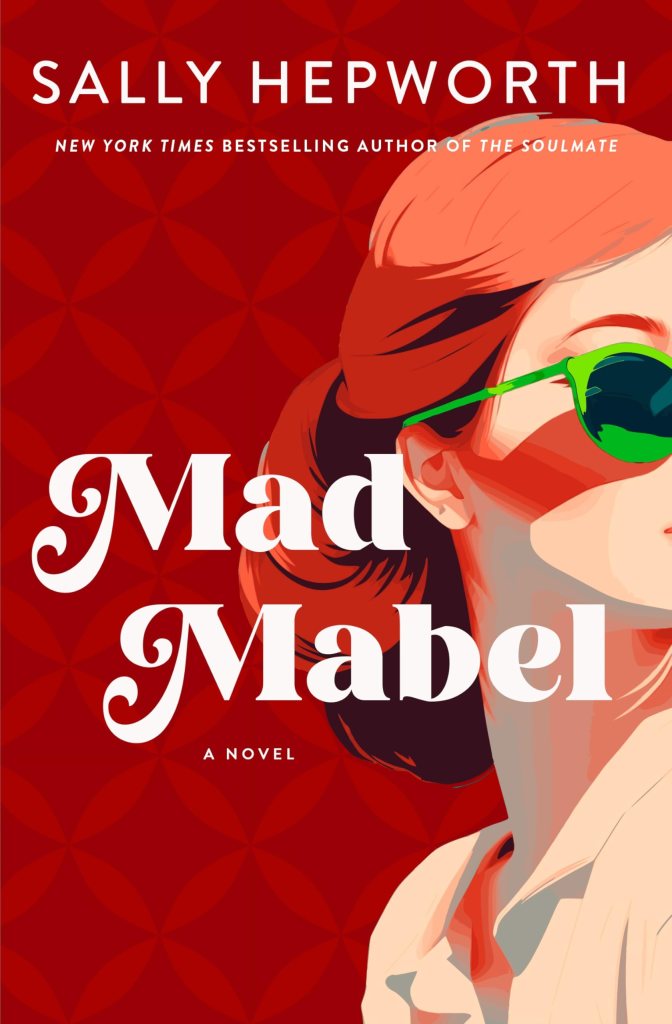
One P.S.—what is up with that cover? Mabel is in her 80s. Most of the pertinent action happens either when she is a young child, a teenager of 14-17, or an elderly woman, so why on earth is there a 35-year-old on the cover?
Discover more from The Book Adept
Subscribe to get the latest posts sent to your email.


