Stepmother, reimagined
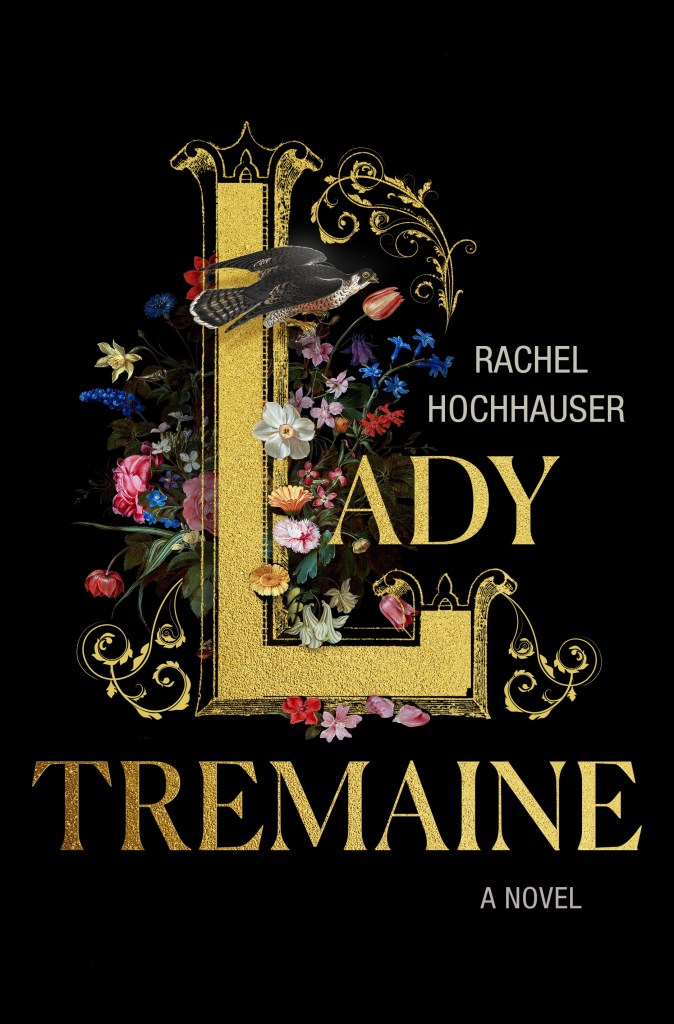
I just finished reading Lady Tremaine, a debut novel by Rachel Hochhauser that reimagines the Cinderella story. But honestly, this is less the story of Cinderella (her stepdaughter Elin) than it is of the protagonist, Ethelreda the stepmother.
It’s kind of a weird one, and for that I liked it. I always enjoy it when someone does a thorough job of turning a fairy tale on its head—witness my enthusiastic reviews of the books of T. Kingfisher who, in some cases, renders them well near unrecognizable. In this case, the poor downtrodden Cinderella is, instead, a classic example of privilege, existing in her own little fantasy world of “proper” womanliness while rejecting the stepmother whose efforts put food on her table, and the stepsisters who likewise labor for the family’s comfort.
In this version, Cinderella’s/Elin’s father has died and has left his estate in a form impossible to maintain: The house and grounds do go to his second wife, Ethel, but all the money has been left as a dowry for his daughter, unable to be broached or to be used for anything save as a bribe for a future husband. So the mother and her two natural and one stepdaughter are left in a drafty, decaying hall with no means of supporting themselves or its upkeep. Over the course of a decade or so, they sell off everything valuable (jewelry, silver, sculptures, furniture, portraits, picture frames) from the house while struggling to maintain the façade of respectability, hoping for marriages for the girls. They are assisted by two stalwart elderly servants with nowhere to go, who stay for love and a roof over their heads and labor alongside Ethel and her two daughters—sewing, picking the apples from their extensive orchards to sell at the village farmers’ market, and learning to do what it takes to survive with no money and few resources. While the five women do this, Elin sits in her turret room reading etiquette books and refusing to expose her pale skin to the sun or her delicate hands to the harshness of work.
While it’s an interesting take, it’s a little hard to go with it, perhaps because we are so accustomed to the idea of the stepmother as the villain and the poor child as the innocent victim redeemed by true love. There is a crucial element missing…until we meet the prince, and the queen, and another key member of the court. Then roles move around once again and dilemmas receive more clarity of purpose. I don’t want to say more than that and spoil the story, so I will just say that it is worth reading for the imagination involved to create it, and for some of its resulting themes.
“A prince without a retinue
otto, lady tremaine
is just a man with bad manners.”
The writing was evocative, although there were some careless mistakes in grammar and construction that could have been resolved by a more thorough editing. The character building was a little spotty, so that some figures were well-rounded and others too ephemeral. But…it was a debut novel and as such gives room for improvement, with good prospects, I would say, for its author if she can come up with something this creative.
Having said all that, I would refer you to the Kingfisher novels if you want this level of originality but with much superior exposition.
Discover more from The Book Adept
Subscribe to get the latest posts sent to your email.


