Constructive maundering
This week my breakfasts were beguiled by a book I have meant for some time to read: Three Men in a Boat (To Say Nothing of the Dog), by Jerome K. Jerome. You may or may not have heard of it; although it is considered a classic, it’s not the kind typically assigned as part of a high school curriculum. Nonetheless, as Wikipedia cites, “The book, published in 1889, became an instant success and has never been out of print. Its popularity was such that the number of registered Thames boats went up 50 percent in the year following its publication, and it contributed significantly to the Thames becoming a tourist attraction. In its first 20 years alone, the book sold over a million copies worldwide.”

I only know about it because I am a science fiction fan(atic), and a reader of the books of Robert Heinlein and Connie Willis. Three Men in a Boat is mentioned in Heinlein’s Have Spacesuit—Will Travel, wherein it inspired Willis to read it and then title one of her time travel series To Say Nothing of the Dog, the actions in that book being a loose tribute to the original.
I have mentioned Willis’s book here before, describing it as a sort of French farce featuring a hapless cast of misfits and, now having read the original inspiration, I can see even more clearly where the frenetic, chase-your-tail style in which Willis wrote her book originated. Three Men is chock full of the most hilarious minutiae of everyday life, not to mention the mental maunderings of its narrator, who wanders away from each topic to discuss the most useless and suspect bits of information, only to eventually work his way back again to the original subject, pulling himself up and getting on with the narrative.
It’s not exactly a story, per se; its main protagonist and first-person voice, “J.,” is more concerned with travelogue—commenting on points of interest as the boat advances up the Thames—coupled with self-indulgent flights of fancy about Man and Nature and the recounting of numerous ridiculous anecdotes about his fellow travelers, his dog, random bartenders and fishermen he has encountered during his life, and so on. He will ramble on about the next stop along the river—its history and monuments, what events transpired, who slept in what public house and which one now stocks the best ale, who is buried there, etc.—and then comment about the petty details of their day on the boat—who inadvertently dragged whose shirt through the water, what food they had to eat and its effect on their mood and/or bowels—interrupting all this once in a while to recount a close call with a launch or a ferry, a hang-up of their boat inside one of the river’s locks, and then switching to laudatory ravings about nature…and so it goes for about 185 pages.
An example of the flowery language he uses when making his observations about the natural world:
“Sunlight is the life-blood of Nature. Mother Earth looks at us with such dull, soulless eyes, when the sunlight has died away from out of her. It makes us sad to be with her then; she does not seem to know us or to care for us. She is as a widow who has lost the husband she loved, and her children touch her hand, and look up into her eyes, but gain no smile from her.“
One reviewer on Goodreads remarked that the book is abrupt and atonal, what with the author occasionally forgetting that he’s writing a comic novel to come out with these paeans and flights of fancy but, for me, that’s the fun of it, the whimsical British humor.
The account, once they have made their decision to go on holiday on the Thames for a fortnight, is completely driven by the sights they see and the stops they make up the river, so one can see why the book was popular when first published and how it generated so much interest in boating as a tourist activity; people would naturally want to observe all these things for themselves. But 135 years later, although some of the landmarks will retain their ruins and their burial grounds, all else will have changed enough to be unrecognizable, so the pleasure in reading Three Men in a Boat becomes more nostalgic than anything else.
I must say, however, that the humor with which Mr. Jerome tells his tale is so engaging that I actually saved bits to read out loud to my cousin when she came by the other day. He has a way of having his protagonist say something so that you don’t know whether it is meant for him to be serious or tongue in cheek; it’s hard to pull off being ironic and gently making fun of your characters but at the same time presenting them and some of their views in all seriousness. I laughed out loud a few times.
Here’s an example: They had just finished eating supper, which they really wanted after a long day of rowing.
“How good one feels when one is full—how satisfied with ourselves and with the world! People who have tried it, tell me that a clear conscience makes you very happy and contented; but a full stomach does the business quite as well, and is cheaper, and more easily obtained. One feels so forgiving and generous after a substantial and well-digested meal—so noble-minded, so kindly-hearted.
“It is very strange, this domination of our intellect by our digestive organs. We cannot work, we cannot think, unless our stomach wills so. It dictates to us our emotions, our passions. After eggs and bacon, it says, “Work!” After beefsteak and porter, it says, “Sleep!” After a cup of tea, it says to the brain, “Now, rise, and show your strength. Be eloquent, and deep, and tender; see, with a clear eye, into Nature and into life; spread your white wings of quivering thought, and soar, a god-like spirit, over the whirling world beneath you, up through long lanes of flaming stars to the gates of eternity!”
(I don’t know about you, but I don’t think I have ever been quite that inspired by a cup of tea!) He then goes on for another entire paragraph delineating the effects of muffins, brandy, and so on, and concludes with this thought:
“We are but the veriest, sorriest slaves of our stomach. Reach not after morality and righteousness, my friends; watch vigilantly your stomach, and diet it with care and judgment. Then virtue and contentment will come and reign within your heart, unsought by any effort of your own; and you will be a good citizen, a loving husband, and a tender father—a noble, pious man.”
And thus it goes, with the conversation moving from the positive effects of a good meal to the discussion of whether they would be happier away from the world living on a desert island, to fears about damp and drains, to the recounting of an anecdote about sleeping in the same bed with a stranger at a crowded inn…

This book is not one I would unreservedly recommend that everyone should read, but it has a certain reminiscent air for me of the beloved antics of Bertie Wooster, Jeeves and Co. in the tomes of P. G. Wodehouse and, if you like that kind of story where the characters are disingenuous and rather simple-minded while the writing itself is quite clever, then you might enjoy Three Men in a Boat. But even if you don’t read it, do have a go at To Say Nothing of the Dog, by Connie Willis.
Fictional memoir
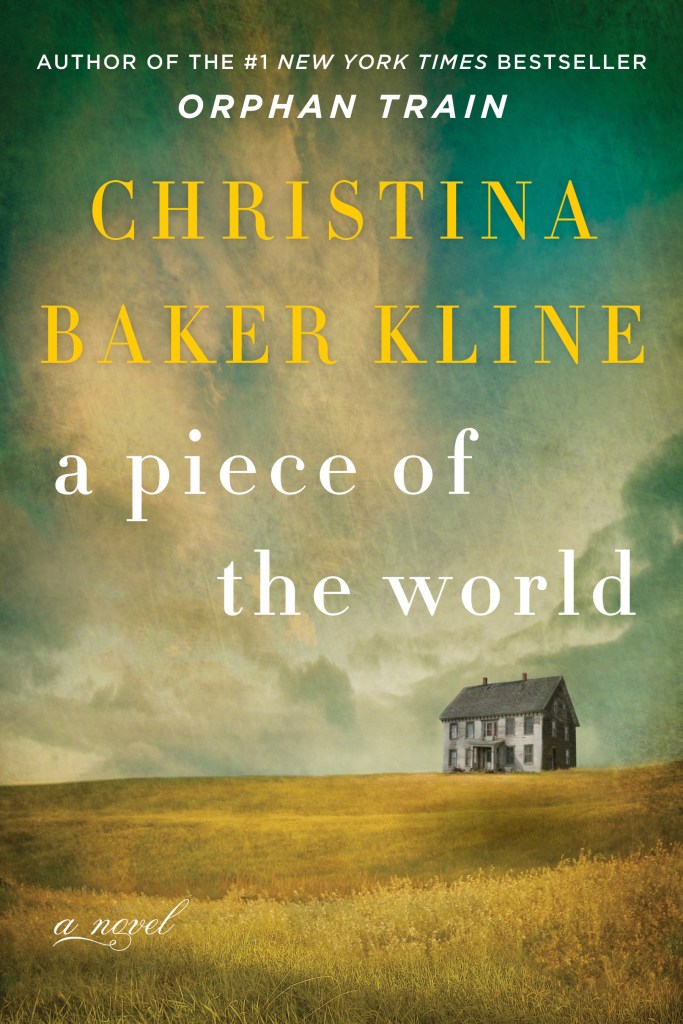
A Piece of the World, by Christina Baker Kline, is in a special category: Although the overall story is fiction, it is based on facts about real people, and reads like memoir.
The book is based on Andrew Wyeth’s painting called Christina’s World, pictured here. People have always noticed something slightly odd about the figure in this one—she’s not just reclining in that field, she looks like she’s wanting to get to that house, or perhaps even pushing or dragging her body along in the attempt. This is the germ of the idea for the entire book, which, although it does showcase some of Wyeth’s career, is primarily about the subject of the painting, Christina Olson of Cushing, Maine.

The book documents Christina’s entire life, which turns out to be a small one except insofar as she serves as muse to the famous painter. Christina suffers some kind of illness at age three (they never state what, but my thought was polio) that twists her legs up and makes her awkward and clumsy in all her movements. This and her own pride and self-reliance make her an outsider, both in her family and in her community, with the result that the chances others have for happiness seem to pass her by, no matter how hard she tries to grasp them. She grows up in the house previously occupied by generations of her ancestors; she cares for her brothers and her aging, ailing parents as her disability gradually worsens; and she is finally left with one brother to live out her days in an ever-diminishing daily routine circumscribed by her physical condition…until one day Andrew Wyeth’s young wife, Betsy, a family friend, brings him to visit, and he becomes fascinated with Christina, her brother Alvaro, and their house and farm in all its aspects. No detail is too large or too small for him to tackle in his art—he paints the rusty padlocks and spiderwebs, the sheer curtains blowing in the breeze from an upstairs window, Alvaro smoking his cigar—and this begins an almost 20-year relationship between himself and the two remaining Olsons, resulting in possibly his most famous picture/portrait.
“Later he told me that he’d been afraid to show me the painting. He thought I wouldn’t like the way he portrayed me: dragging myself across the field, fingers clutching dirt, my legs twisted behind. The arid moonscape of wheatgrass and timothy. That dilapidated house in the distance, looming up like a secret that won’t stay hidden.”
CHRISTINA OLSON
In some ways this is a dark, dour portrayal, but it is rescued from being too depressing by Christina’s will and strength of spirit, and by wanting to know what happens next. The book deals with complex issues; resentment, shame, lost dreams, family challenges, and social classes are explored, and the writer makes us realize that there is depth and intensity to even such a simple existence devoid of major events. There are some fine lyrical moments of expression, and Kline paints pictures with the words she chooses. I didn’t expect to like this book as much as I did—it kept me reading through one sleepless night, and I was a little sorry when it ended. It’s a great example of what an author can do with the kernel of a story, some thorough research, and a vivid imagination to bring them both to life.
Literary fiction
As I get older, read more, and spend a lot of time and energy reviewing what I have read, I am beginning to realize that I am not, despite aspirations, a particularly sophisticated reader. Beyond that, I have recently concluded that I tend not to trust my own reactions when it comes to reading and reviewing books that are deemed “literary” by other critics and/or readers. My priority in my reading life has always been to find and experience good story, but when I am confronted with something that doesn’t feel that way to me, rather than judge the book as being lacking, I judge myself as a reader. I think I am going to aim to change that in future.
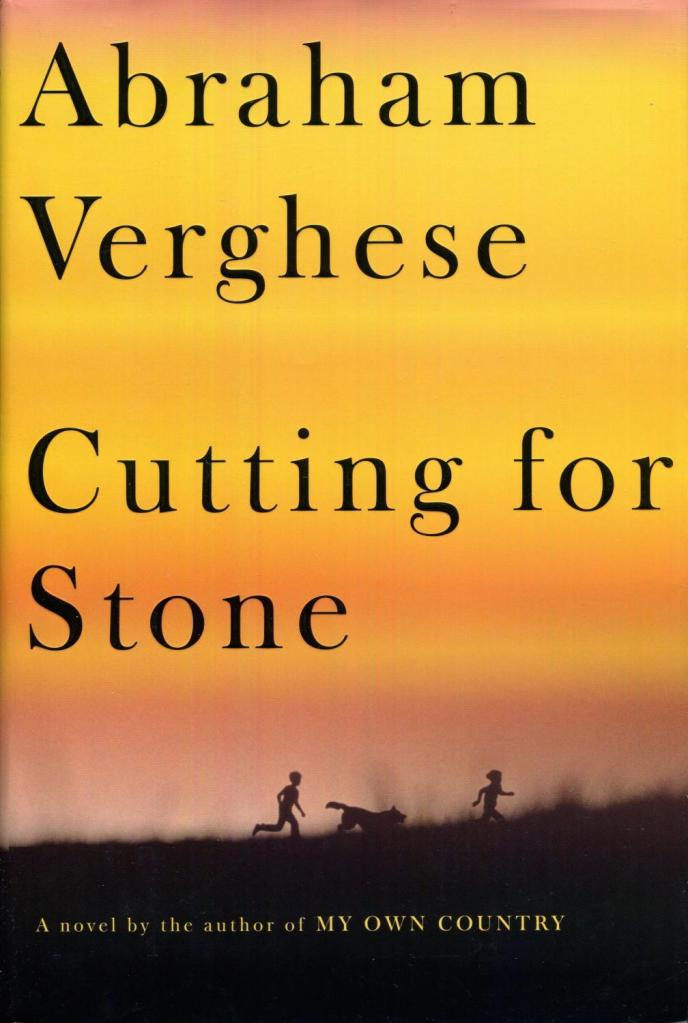
I have experienced this twice in the past six months, and the way I came to realize it was to read others’ extremely perceptive (and much more objective) reviews on Goodreads. I just finished reading Cutting for Stone, by Abraham Verghese, and at some point during its perusal I remarked that I found it nearly as hard going as Demon Copperhead, by Barbara Kingsolver. This observation should have revealed more to me than it did; but it took the remarks of “Ayaz,” on Goodreads, who gave the book a measly two stars (indicative of “it was okay”) to make my thoughts suddenly gel on the whole subject of literary fiction.
First, a description of the book: The protagonist, Marion, is a twin. He and his brother, Shiva, are the offspring of a brilliant but flawed British surgeon and his surgical assistant, a young and extremely devout Indian nun, whose pregnancy is only revealed to her colleagues (including the father) when she goes into labor. Their mother dies and, unable to cope with either the loss of Sister Mary Joseph Praise or the unexpected manifestation of offspring, their father abandons them; the twins are raised by a loving foster family made up of the remaining staff members (and their servants) of the mission hospital in Ethiopia in which they were born. Given the circumstances of their birth and that they are constantly exposed by their foster parents to both talk about and observation of medical procedures, it’s nearly inevitable that the two will grow up to become doctors, although the twins take entirely different paths towards this end. Personal conflicts and political events serve to separate the twins for an extended period, until tragedy reunites them.
I always have high hopes at the beginning of a book that has come recommended for its voice, its story, and/or the quality of its writing. Sometimes, as with Demon Copperhead, I recognize those merits for myself, while nonetheless being somewhat dragged down by both the intensity and longevity. But sometimes, as with Cutting for Stone, I struggle to recognize the merit as I grapple with the completion of the reading.
I’m not saying this is a bad book; although I breathed a small sigh of relief and reduced my rating from five stars to three after coming to certain realizations about my reaction to the book, I still found much to admire. But there were also unacknowledged problems with its narrative that I didn’t trust myself to articulate but that I could plainly see when someone else pointed them out for me.
One observation that resonated was a problem with a sustained development of the characters. When I reviewed Demon Copperhead, I noted that even though the book took me more than a month to read—having put it down for extended intervals to peruse more light-hearted works—I never lost sight of who the characters were, because their portrayal was so strong. With Verghese’s book I came to recognize that part of my frustration that caused me to drag out its completion was that there were certain key characters about whom I wanted to know more, but the author’s promising start in developing them was, over and over again, truncated or abandoned in favor of a sensationalistic denouement in the story as it transitioned from one stage to the next. His female characters are particularly clichéd, but even the men sometimes become indistinguishable one from another because of the similarity of their language, sentiments, and presentation. There were a couple of characters who stood out, but for the most part they were all subsumed by their careers.
Although Verghese is himself a medical doctor, I discovered that having that expertise and perspective were not enough for his descriptions to transport me into the lives of his characters. There were certain compelling moments in the throes of a complex operation that were exciting and involving, but the rest of it felt both clinical and too educational, for want of a better word, for a novel.
The purpose of this book was clearly to illustrate the depth and breadth of the idea of family amongst people who are unrelated but bonded, and although that was, to an extent, achieved, I grew first exasperated with and then bored by Marion’s viewpoint. And although this is ultimately a coming-of-age story like Demon Copperfield, I never perceived from Marion the same quality of voice that carried us from childhood to manhood. There was a certain sameness about the narration that caused it to be more tedious than it should have been.
The part I think I enjoyed most, and where I felt Verghese shone, was in the presentation of Ethiopia as a country and culture, caught up in the politics of change that were sweeping that nation in the upheaval of multiple revolutions. The world-building felt fresh and genuine.
Because of my realization about the sometimes excessive reverence I have for literary fiction, I will freely admit that I may have gone too far the other direction in judging this book. Certainly there are many readers out there who find its language, characters, and story completely compelling and who have freely awarded it top marks. If you still have a desire, after my comments, to read it for yourself, then by all means do so. We are all gripped differently by our reading, and you may agree with many that this is a masterpiece. But as for me, I’m going to try, in future, to tune in better to my innate sense of the quality of the story itself, which is my ultimate criteria, and let that lead me when evaluating any book, literary or otherwise.
Re-wilding
Scottish-American conservationist John Muir, the “Father of the National Parks,” once wrote that
“…when we try to pick out anything by itself, we find it hitched to everything else.”
John Muir
This quote was specifically called into use when considering the failing ecosystem of Yellowstone National Park, where the purposeful removal of wolves, Yellowstone’s top predator, meant that the elk population overgrazed the plants and trees, leading to the demise of songbirds, beavers, and cold-water fish. Wolves were the missing link in the equation that would keep Yellowstone healthy and, 28 years after they were reintroduced (in 1995), the ripple effect is considered one of the most successful rewilding efforts ever undertaken. The culling of the elk herds by the 80+ wolves now living in Yellowstone benefitted ravens, eagles, magpies, coyotes, and bears. Wolves’ preying on coyotes increased the populations of rabbits and mice, providing a wider food source for hawks, weasels, foxes, and badgers. Muir’s quote was certainly prescient.
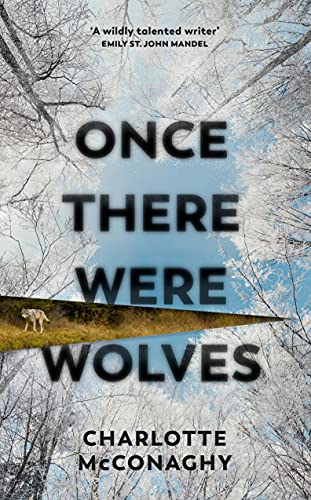
Charlotte McConaghy’s novel Once There Were Wolves posits a similar experiment to bring wolves back to the forests and Highlands of Scotland to rebalance biodiversity, depicting the difficulties inherent in convincing the resident human population (primarily sheep farmers) of the benefits to be had, and protecting the wolves against the farmers’ and ranchers’ conviction that humans and wolves can’t
co-exist on the land.
The protagonist is lead biologist Inti Flynn, a passionate young woman whose unusual upbringing by her father—living a subsistence life deep in the forests of Canada—has shaped both her beliefs and her career. She arrives in Scotland accompanied by her twin, Aggie, who is deeply damaged, mostly silent and passive, and spends all her time sequestered in their cabin. Inti has an extraordinary affinity for the wolves, heightened by an actual neurological condition called mirror-touch synesthesia:
“My brain re-creates the sensory experiences of living creatures, of all people and even sometimes animals; if I see it I feel it, and for just a moment I am them, we are one and their pain or pleasure is my own. It can seem like magic, but really it’s not so far removed from how other brains behave: the physiological response to witnessing someone’s pain is a cringe, a recoil, a wince. We are hardwired for empathy.”
Inti Flynn, Once There Were Wolves, by Charlotte McConaghy
The book is part literary fiction, part mystery, and engrossing in its narrative. Although the rewilding program is officially sanctioned by the government, there is massive resistance by the locals, some of whom are aggressive with their threats to kill wolves who set foot on “their” land. Inti struggles between her desire to protect her wolves and her need to engage with the locals as something other than a know-it-all outsider. She is assisted in making the human connections by the sheriff, local-boy Duncan MacTavish, but he remains something of an enigma throughout the story, and his passivity when it comes to enforcing Inti’s cause frustrates her. Then a local farmer goes missing, and speculation inevitably turns to assumptions about wolf culpability.
The best parts of the book are Inti’s detailed observations about the wolves—how they relate to one another and to their surroundings, and their habits, travels, and behaviors as they integrate into this foreign environment. The reader is transported to the hillside blind where Inti watches a new batch of pups scramble and play just outside the mouth of their den while the adults warily sniff the air, cognizant of the human close by, and the welfare of the small packs dispersed around the town becomes personal as each wolf becomes familiar.
Less effective, for me, was the rest of the narrative, especially that surrounding the sheriff, Duncan, and Inti’s sister, Aggie. I felt like we were too far into the story before we understood what happened to destroy Aggie’s confidence and turn her into the near-catatonic figure she now presents. Likewise, Duncan runs hot and cold, both with Inti and also with his commitment to doing his job (although his devotion to the individuals in his community is touching), and I was frustrated by the incitement to waffle over whether he was a good guy or a bad one. But McConaghy knows how to keep the action flowing throughout the narrative, and the mystery remains intriguing up to its final solution. Readers should be aware that this book presents scenes including violence and abuse, although much of that action takes place “off screen,” or is implied but not graphically described. But the few graphic depictions are powerful and potentially disturbing.
I enjoy a story with some meat on its bones—focusing on a particular iteration of a wider philosophy. As happens with my reading choices from time to time, there was a serendipity of theme between this book and The Crow Trap, by Ann Cleeves, which also detailed a biodiversity study in a rural area, but whereas I found that book almost completely lacking in appeal, Once There Were Wolves delivers all kinds of intellectual and empathetic content. Despite the few caveats above, I would definitely recommend this book to anyone interested in both a gripping story and a thorough education about how the biological world works.
For more information about the Yellowstone rewilding project:
https://www.muchbetteradventures.com/magazine/yellowstone-wolves-rewilding-1995-history-books/
Metaphor
If I had to define the central theme of the book Black Cake, by Charmaine Wilkerson, it would probably be summed up by this quote:
“But the fact was, when you lived a life, under any name, that life became entwined with others. You left a trail of potential consequences. You were never just you, and you owed it to the people you cared about to remember that.”
ELEANOR BENNETT
The cake in the title, made with blended fruits soaked in liquor and with burnt sugar added to produce its distinctive black color, is a symbol of family, tradition, a thread of familiarity that stretches back to connect all the disparate parts down through generations. It’s also a metaphor for the complexities of culture, in which such issues as colonization, slavery, immigration, assimilation, and social, racial, and political borders figure into every aspect of life—or a recipe.
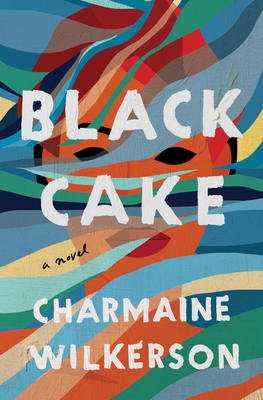
This book is a kind of revelatory fiction; the story is told completely in third person, but from multiple voices and points of view, and a new bit of the story is revealed as another person takes up the narrative and adds his or her perspective. Situations are fleshed out by hearing about them from different voices and seeing them through different eyes, and each narrator has a reaction to share. Although Eleanor Bennett, the matriarch of this family, is the pivotal character, the story is moved forward by noting the effects all the secrets of her life have had on the members of her family, most specifically her children, and also by revealing the major impact that both significant and tertiary characters in her past have had on hers and everyone else’s future.
Although I had some difficulties with the book, the most persistent probably being that Wilkerson stuffed it as full of social issues as her black cake bulges with fruit, I appreciated it as a whole. I couldn’t wait, when I reached the end of a chapter, to turn the page and see what the next one would contain, and I was seldom disappointed. Murder, desperate acts, rebirths, aliases, grand secrets, it’s all there in Black Cake. The story is about decisions made that can never be taken back, about necessary sacrifice and stubborn persistence. It’s a powerful picture of what it means to be a survivor, and to preserve a sense of racial and cultural identity throughout. The thing I liked most about it was that the narrative evolved as a true storyteller would reveal it, carrying you along with her into an evocative past. Give it a taste and see if it’s to your liking.
A classic based on a classic

I feel like I need some kind of reward for having finished, just as the author deserves an award for having written! I enthusiastically and optimistically started Demon Copperhead, by Barbara Kingsolver, two days after Christmas, thinking it would be my first read of 2023, but my count is now up to 11 books, and I just finished it. I took two breaks, one motivated by wanting to be able to read on my Kindle in the dark of night in my bed (I bought the hardcover of Demon Copperhead, knowing that I’d want to keep it on my shelf), and the other by realizing that the depressing nature of the story was having such a profound effect on my mood that I needed to read something else for a while! But I was determined to finish, and the wink-out of my Kindle battery mid-sentence day before yesterday sent me, finally, back to the last 13 percent of this tangible book.
It’s not that I didn’t want to read it—it’s an amazing story of a quirky, irrepressible, sad, endearing red-headed boy who nobody wants, and it’s also both a literary masterpiece and a stern indictment of America’s marginalization of the disadvantaged. For all those reasons, it is worth my time and yours. But lordy, is it depressing! Damon Fields (the protagonist’s real name) is a logical (though still incredibly unlucky) product of his surroundings, growing up in the foster care system after his junkie mother leaves him an orphan in a single-wide at a young age. But he is not an anomaly—there are plenty of unfortunates in the culture of Southern Appalachia who contribute to the dour mood. One of the most powerful understandings comes towards the end of the book, when Tommy, one of Demon’s former foster brothers, crafts a philosophy of America that pits the “land” people against the “money” people, and the land people—those who hunt and fish, farm tobacco, and share what they have with their family and anyone else in need, operating outside the monetary system—always lose.
I am somewhat ashamed to say that I have never read David Copperfield, the book on which Kingsolver based this one, although I have a fairly good knowledge of its contents and am in awe of how she translated Dickens’s “impassioned critique of institutional poverty and its damaging effects on children in his society” (Kingsolver, Acknowledgments) into this stunning story of the opioid crisis in Appalachia. But unlike the Jodi Picoult novel about which I blogged last, this book is not preaching about the social crisis but instead is determined to tell the story via the victims and survivors of it in a straightforward, completely realistic manner that guts the reader who is invested in them. Every person in this book (and there are dozens) is vivid, individual, and completely memorable. Even though I broke it up into multiple reading sessions over the course of more than a month, I never once had to think, Um, who is this character again? and backtrack, because every single one of them stood out as a person. I can’t think of a much better compliment you could give to a writer, and Kingsolver deserves it.
But it is the character of Demon who dominates—and sometimes overwhelms. His circumstances are beyond tragic, horrifying when you think of a child having to endure what he does, and yet he is a source of continual hope. It’s not that he’s a falsely optimistic Pollyanna of a character, it’s that he has somehow assimilated a work/life ethic that causes him to put his head down and push through every challenge in his desire to live. And even when he fails—and he does that just as spectacularly—he somehow never gives up on himself. As he loses family, friends, mentors, homes, abilities, he manages to continue focusing on what he does have and what he can use, and keeps hauling himself back to his feet.
One reviewer on Goodreads repeated a quote from a Washington Post book review that said,
“Demon is a voice for the ages—akin to Huck Finn or Holden Caulfield—only even more resilient.”
I couldn’t agree more. Another said “This is a book about love and the need for love, the search for love,” and that, too, is true. And the language, both brutal and brilliant—Kingsolver’s way with words is beyond skillful. I won’t say much more about the book, I’ll leave it to you to discover. But it deserves all the accolades.
Openings
Los Angeles Public Library finally let me have The Ten Thousand Doors of January, by Alix E. Harrow, a book about which I had massive anticipation after having devoured Alix Harrow’s second book, The Once and Future Witches (review here). And while that book was about spells hidden in plain sight and this book was about elusive doorways, in a real sense both books are about openings.

The 10K Doors beguiled me from almost the first page. The language was beautiful, evocative, persuasive. The story begins with a book, which is always a way to my heart. And the door theme carried me back to every beloved tale in which someone found an opening to somewhere else and was brave enough to step through it, from the classics (Alice in Wonderland, The Phantom Tollbooth, Narnia) to more recent works (Mirrorworld, Shades of Magic, Un Lun Dun), but it particularly put me in mind of Wayward Children, the stunningly original series by Seanan McGuire that portrays a group of children who have had the experience of going through a portal to the world of their dreams, only to later be ejected and left longing to return. The Ten Thousand Doors of January is the ultimate portal novel.
Like the protagonists in McGuire’s series, January Scaller is a misfit in her own life. Her childhood has been simultaneously comfortable bordering on indulgent, and immensely restrictive; while her widowed dark-skinned father travels on business for his employer, January lives a sedate, smothering life sequestered in Mr. Locke’s mansion that is filled with the artifacts and treasures her father has brought back to him from all over the world. January spends most of her young life torn between gratitude for Mr. Locke’s guardianship and patronage, and resentful that she is kept like another of his precious objects, locked up in a house with no company save for that of a repressive nursemaid/chaperone. As a person of color, January is ogled and patronized by the lily-white British society within which the wealthy Mr. Locke moves (the story begins in 1901), and she has no friends save an Italian grocery delivery boy and the enormous and fanatically loyal dog with whom he gifts her.
As a solitary child, January naturally seeks out ways to amuse herself, and becomes immersed in certain texts and books not meant for her eyes, writings that reveal a possible escape from her overweening patron. But after her father dies and Locke discovers she may have abilities he and his friends value, January must call upon all her thus-far meager resources to save herself from their plans, and also prevent the doorways she has discovered from closing forever.
Books can smell of cheap thrills or painstaking scholarship, of literary weight or unsolved mysteries. This one smelled unlike any book I’d ever held. Cinnamon and coal smoke, catacombs and loam. Damp seaside evenings and sweat-slick noontimes beneath palm fronds. It smelled as if it had been in the mail for longer than any one parcel could be, circling the world for years and accumulating layers of smells like a tramp wearing too many clothes. It smelled like adventure itself had been harvested in the wild, distilled to a fine wine, and splashed across each page.
Although the book has a somewhat slow start, and the protagonist is initially almost frustratingly passive despite her inner nature (“The will to be polite, to maintain civility and normalcy, is fearfully strong. I wonder sometimes how much evil is permitted to run unchecked simply because it would be rude to interrupt it”), the story within a story of Adelaide (Ade) and Yule Ian Scholar (Julian), who find one another when Yule crosses through a door from his home into a Kentucky wheat field, pulls you first into that world and then into the possible connections with January’s, and after that it’s total fascinated attention to the very last page.

This book is almost haunting in its sadness and yearning for the freedom of a wider world, and a longing for the ability to translate otherness into belonging. The loneliness of January, motherless and separated from a father who wants to keep her safe but believes that can’t happen if she is with him; the solitude of Ade, searching relentlessly for the door that will carry her back to Julian; the alienation of January’s friend Jane, exiled from her homeland because of a promise; all act upon the reader to provoke a desperate wish that these people will get what they want, find what they seek, and in that process make the universe a more fluid place.
Doors become more than just passageways to new experiences; they are also symbols of openness and change, qualities that January considers essential while Mr. Locke deems them threatening to existence. Stagnation is antithetical to those who wish for true freedom for everyone, while to the people in power it is an essential component in consolidating their dominance. January is one girl up against a wall of opposition, but she finds unexpected resources from her past, from her few allies, and finally from within. This story connected with my dogged belief, despite the mundanity of everyday life, that there is both magic and hope out there somewhere, if only the way can be found.
It bowled me over.
Intricate plotting
My next book came recommended from the Facebook readers’ group (What Should I Read Next?), but I was careful not to find out too much about it before I read it. As it turns out, it wouldn’t have made too much difference (unless somebody really wanted to ruin it with spoilers), because We Begin at the End, by Chris Whitaker, is such a complex story that it would be hard to encompass everything contained within its pages in a simple book-talk.
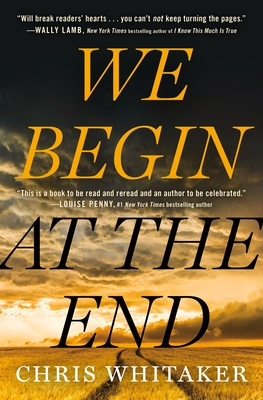
Everyone in this book, and I mean everyone, has some sort of agenda, major or minor—some are obvious, some are hidden, some seem obvious but are quite the opposite—and following them all occasionally proved challenging but also definitely worthwhile. And along with these agendas go many secrets, a lot of misunderstanding, massive amounts of lying, and some catastrophic assumptions.
There are many ways in which one could characterize this book: It is a murder mystery, it is a coming-of-age story, it is the saga of multiple people caught up despite themselves in various forms of tragedy they are mostly unable to avert. Let me see if I can outline the basic story in some sort of coherent form…
There’s a guy called Walk (last name Walker), who grew up in the small coastal California town of Cape Haven of which he is now, at 40-something, chief of police. There’s another guy named Vincent King, who was Walk’s best friend until the age of 15 when he went to prison, partly sent there by Walk’s testimony. Star Radley is a friend of Walk’s and was also Vincent’s girlfriend before he went away, and she has two children, Duchess, 13, and Robin, five, but can’t (or won’t) disclose the names of their fathers. She’s a chronic alcoholic and drug abuser, with the result that Duchess, a necessarily tough girl with a perpetually bad attitude (picture a young Ruth Langmore from Ozark), is raising Robin and keeping an eye on her mother in an atmosphere of poverty and uncertainty. Walk tries to keep tabs on Star and the kids and help them out however he can, but Star seems determined to self-destruct.
The catalyst for the story is that Vincent is finally getting out of prison, after 30 years away, which precipitates all kinds of events, both expected and unexpected. There is a further panoply of significant secondary characters, mostly connected to Star and the kids but peripherally to others, including a couple of weird neighbors, an estranged grandfather living in Montana, a boyfriend with criminal connections, and a lawyer and former girlfriend of Walk’s; and then there are the tertiary characters—friends, social workers, helpful strangers—who enter and leave the story as needed. It’s a complex cast to juggle, but it’s masterfully done, and Whitaker manages to preserve the reader’s assumptions throughout the book, right up to the revelations of the unexpected conclusion. And what he does even better than keeping track of his plot is make you care about the fate of everyone involved.
This is a heartbreaking and frustrating story on so many levels—history repeats itself, love is mostly unavailing, and revenge and retribution are dealt out with a heavy and sometimes arbitrary hand. But it also speaks to the search for absolution and redemption, and the sacrifices people are willing to make for the people who are family, whether blood-related or not.
I won’t say much more than this, because the experience of reading it is so engrossing that I wouldn’t want to take away from that for anyone who chooses to do so. I was trying to think of other books that might be comparable to the complexity and drama of this one, and couldn’t. Stylistically, it’s a story about real people in a particular context; the closest I could come is This Tender Land, by William Kent Kreuger, but I liked this so much better (and I liked that one a lot). It also put me in mind of a little gem of a book called She Rides Shotgun, by Jordan Harper, a much shorter and simpler story but with a protagonist who reminded me a lot of Duchess Day Radley, self-styled outlaw.
Don’t miss this one.
Genre confused
I am a big fan of Peter Heller’s work. I have read all of his novels and haven’t disliked a one of them, although I do have favorites. So I was delighted to discover that he has a “new” book out (almost a year old, now).
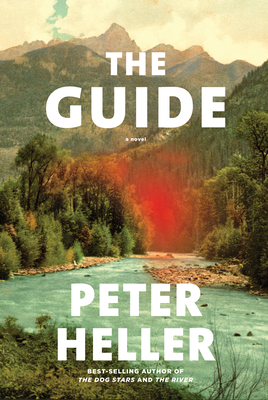
The Guide has the trademark lyrical descriptions of nature that one expects from Heller. The theme is fly-fishing, and although I don’t fish and am not a fan of early morning activities, his narrative of the terrain was so lovely that it calmed my breathing as I read it, making me long for wide open spaces with the sound of flowing water in the background and the dawn vista of a still pool with mayflies rising and rings spreading outwards as the sun heats the surface and the fish rise to feed.
Although this book can certainly be read as a stand-alone, it is, in fact, a sequel to Heller’s book The River, in that the protagonist is Jack, a few years on from that tragic adventure. Although it enhanced the experience to know the back story referenced periodically throughout this book, it wasn’t such a direct continuation that anyone would feel the need to go back and review the previous story in order to feel caught up. It’s made plain that Jack has been damaged by an event in his past, and that he sees this term of employment as a guide at one of the most exclusive fishing resorts in the country as an escape from his everyday life, in which he suffers from silence and too much free time.
Jack is taken on by the Kingfisher Lodge, on a pristine stretch of protected waters near the town of Crested Butte, Colorado, to replace a guide who left abruptly. The resort caters to the über-wealthy and the camera-shy celebrity, and provides an all-encompassing interlude of comfortable quarters, gourmet dining, camaraderie, and sport. His first assigned client is Allison K., a woman Jack vaguely recognizes as a hugely famous country western singer (he’s not really into music). She also turns out to be gifted at and dedicated to fly fishing, and the two share what’s described as an almost spiritual out-of-body state as they roam up and down the river, casting their lures.
But there’s something weird going on in this paradise, and soon Jack is nervous and on the defensive as minor violations of some resort rules result in some out-of-proportion reactions and repercussions. He and Allison begin first to speculate and then to research what they’ve been told, as anomalies crop up and their status becomes ever more perilous.
Although I enjoyed this book over all, there seemed to be a profound disconnect between the scene setting and the behind-the-scene activities. Heller’s other books certainly contain elements of mystery and suspense, but for some reason this one didn’t feel organic. For one thing, the “nature documentary” aspect of the book dominates for about 80 percent of the book, with only small hints and incidents thrown in here and there to increase the reader’s feelings of disquiet, and then all of a sudden, in the last 20 percent, it becomes all about the alter ego mystery of the story. Nature buffs will enjoy the setting and melodic language about fishing, while thrill seekers will get their payoff with the bizarre back story, but the genre blending that took place here needed a few more spins of the Kitchenaid to work properly. I was still fairly happy with the book, however, until I reached the last few pages. There are few things I dislike more than a book that shows the entire story, only to punt at the end by “telling what happened” after the significant events occur, instead of taking the reader directly through them, and that’s sort of what happened here.
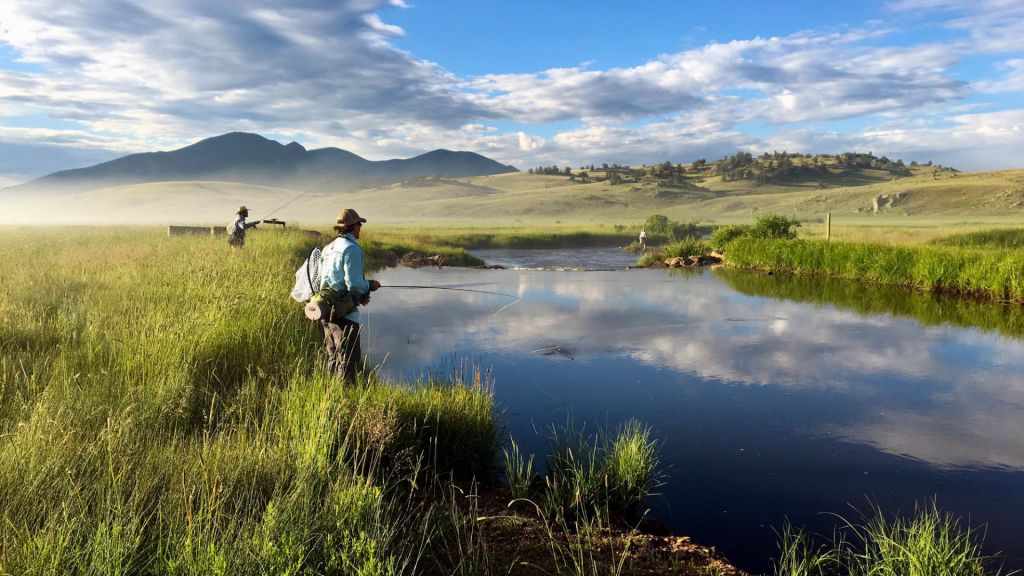
Primarily as a result of that ending, I would have to recommend Heller’s other books over this one, although the prevailing narrative was the verbal equivalent of the glorious imagery experienced in the 1992 film A River Runs Through It; if you are susceptible to words that so graphically paint a picture, you will enjoy this book no matter what.
My year of reading: 2021
It’s New Year’s Day! Time to look back at all the books I read in the past 365 days, and reveal which were my favorites, which were the best books I read this year, and whether those are one and the same. Goodreads conveniently kept track of statistics related to my reading goals, so before I get specific, here are some of mine:
This year I read 132 books, which consisted of 50,676 pages.

The shortest was a Linwood Barclay novella of 81 pages, while the longest was one of the Robin Hobb Farseer fantasies at 914 pages. My average book length was 383 pages.
The most popular book I (re)read was Liane’ Moriarty’s Big Little Lies, shelved by almost 1.5 million people!
And now, here are some categories that highlight the year’s journey, from my memories of 2021 reads:
Most excited about:
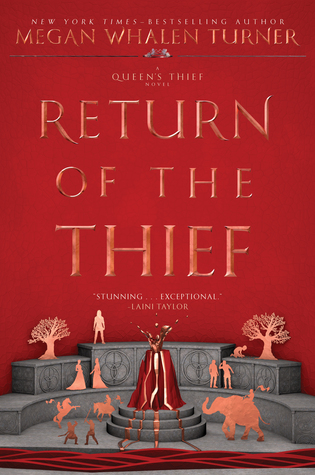
Return of the Thief, the conclusion to the Queen’s Thief series by Megan Whalen Turner, finally arrived, which gave me the perfect opportunity to enjoy re-reading this series for what, the fifth time? She published the first book, The Thief, in 1996! If you are looking for a nontypical fantasy immersion to start off your year of reading, pick up The Thief and savor the story through The Queen of Attolia, The King of Attolia, A Conspiracy of Kings, Thick as Thieves, and Return. It’s one of those series that gets exponentially better as it goes along.
Best discoveries (in any genre):
ROBIN HOBB. I got lost for a month or more in three of her Farseer high fantasy trilogies, and still have two more on my TBR list, which I hope to get to early in the year.
DERVLA McTIERNAN: A wonderful new mystery series writer with books set in Ireland
Best science fiction discoveries:
A Boy and His Dog at the End of the World, by C. A. Fletcher
A Psalm for the Wild-built, by Becky Chambers (first in a series still to come)
Both of these would fit best into the dystopian category.
New time travel:
The Jane Austen Project, and The Dream Daughter, both from unlikely authors…
New fantasy I loved:
The House in the Cerulean Sea, by T. J. Klune
The Art Mages of Lure series, by Jordan Rivet (Curse Painter is the first book)
Most memorable read:
All the Ugly and Wonderful Things, by Brynn Greenwood
Most affecting mainstream fiction with an historical backdrop:
This Tender Land and Ordinary Grace, by William Kent Kreuger
Continuing fan of:
Melina Marchetta for The Place on Dalhousie
On board with the rest of the crowd:
Author Sally Hepworth, with The Good Sister being at the top of the list.

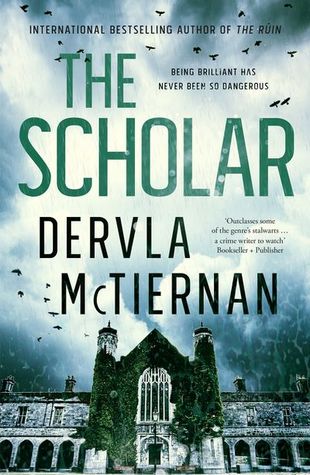
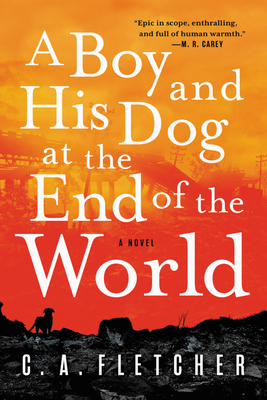


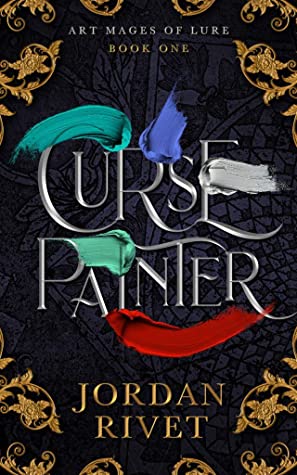


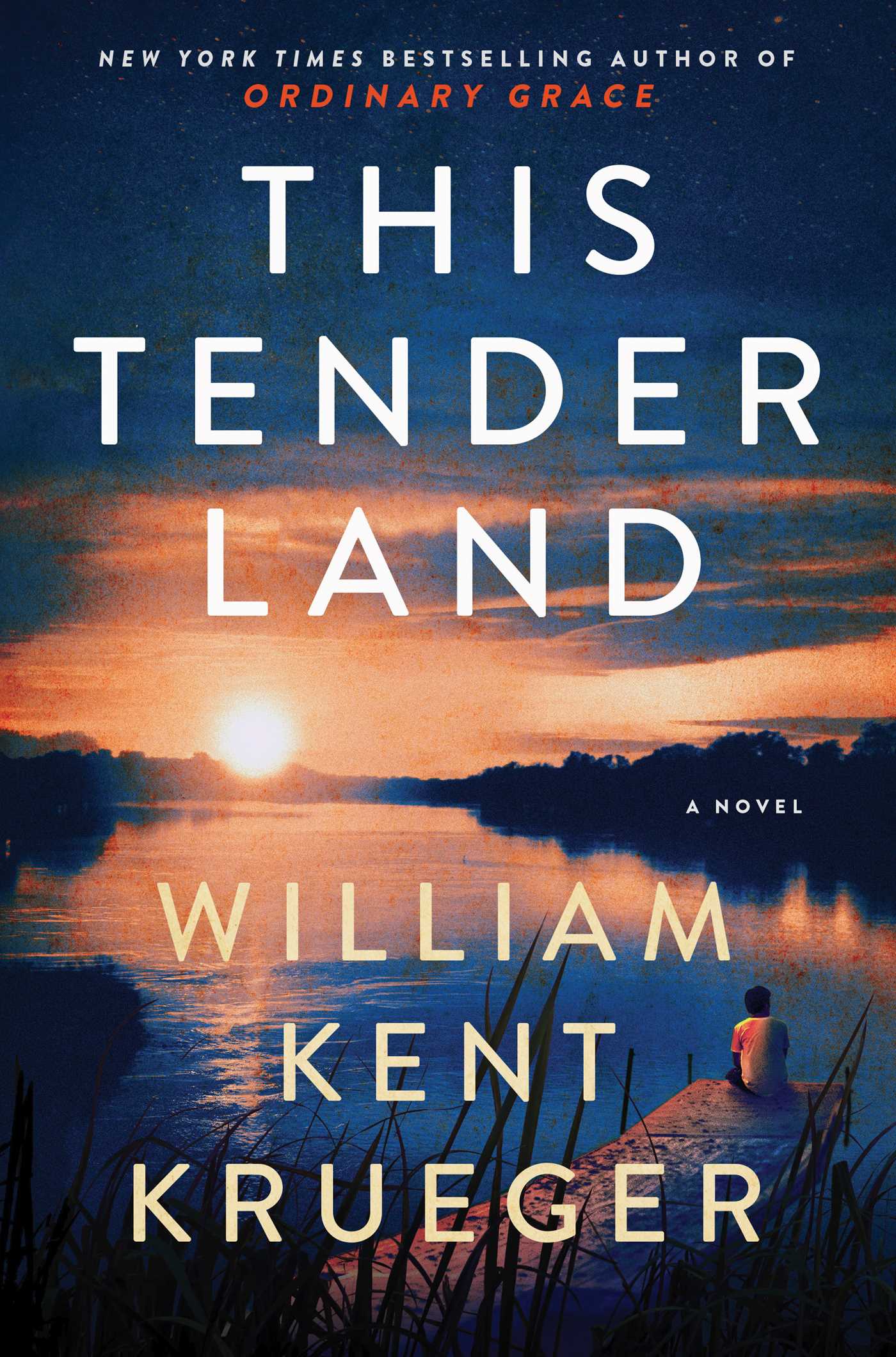
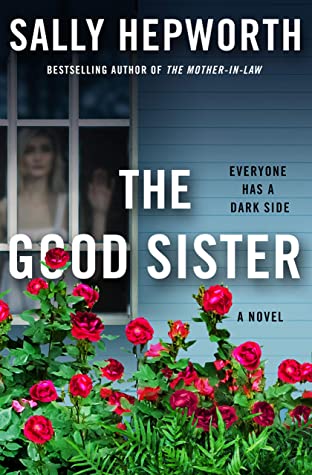
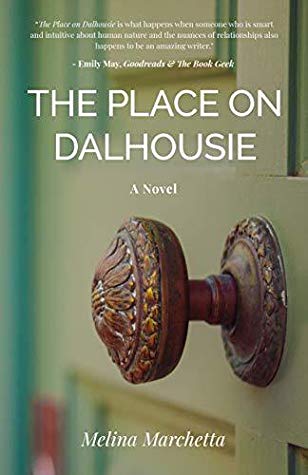
And that about covers the highlights of my year in reading! I have written/published reviews of most of the books I mentioned here, so if anything piques your interest, go to the search box (“Search this site” at the top right under my logo and description), put in a title or an author, and find out why I called out these favorite books.
 The Book Adept